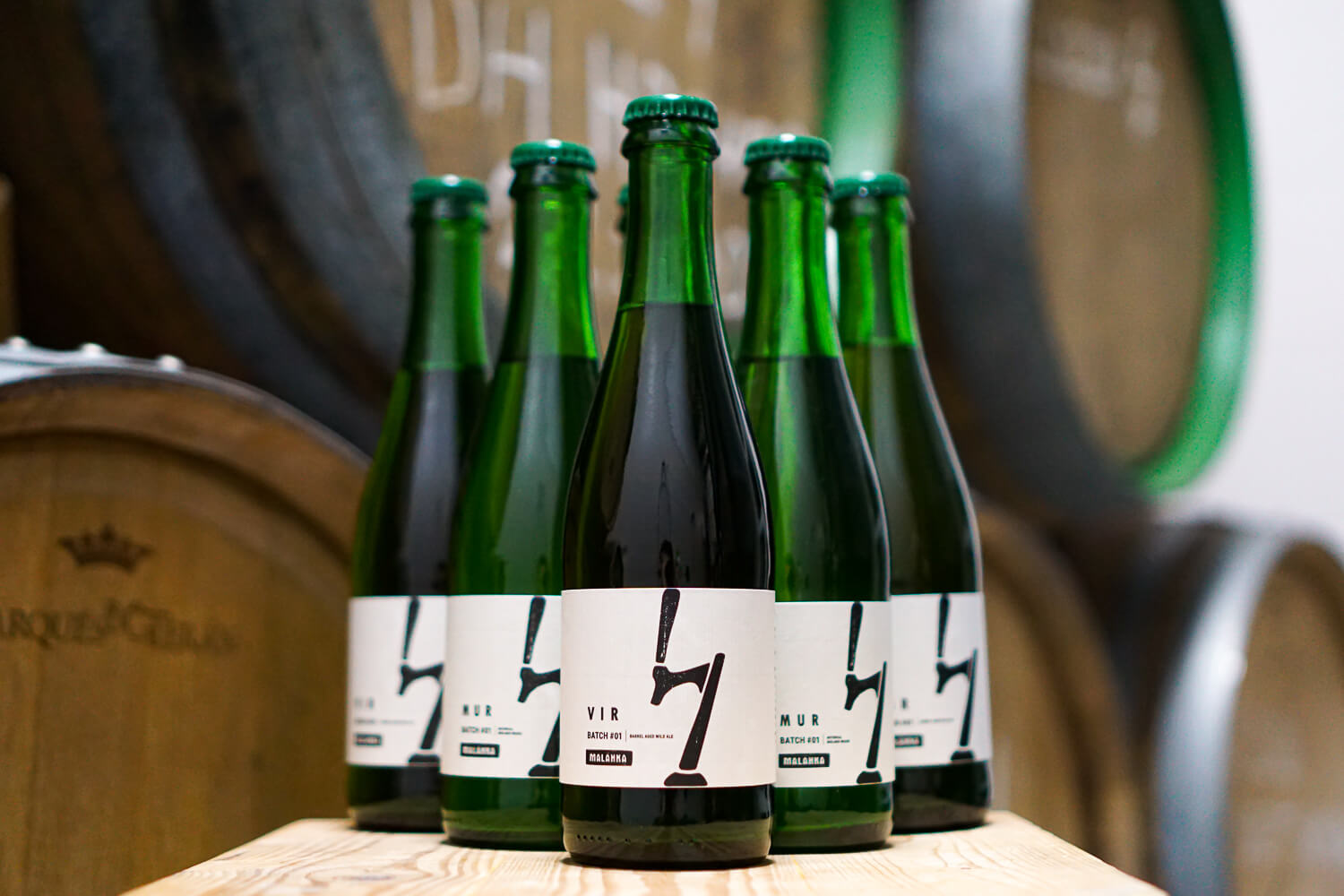
Malanka bottles only its “wild” and strong beers. Each one is an experiment in aging beer in oak barrels that previously held wine, cognac, and other beverages. Beer like this develops a unique character thanks to the time it spends in wood. We release limited editions in 0.33 L and 0.75 L bottles.
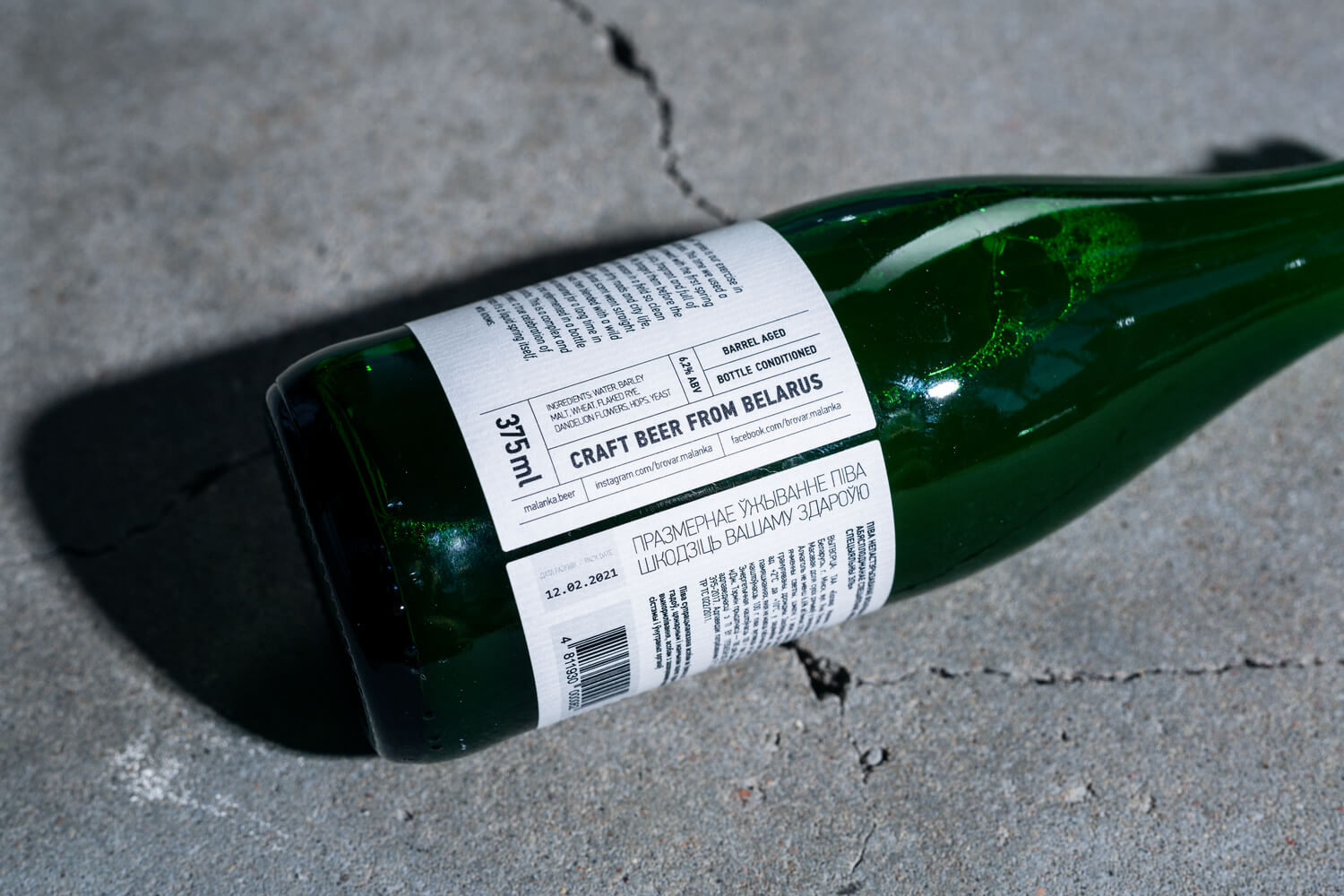
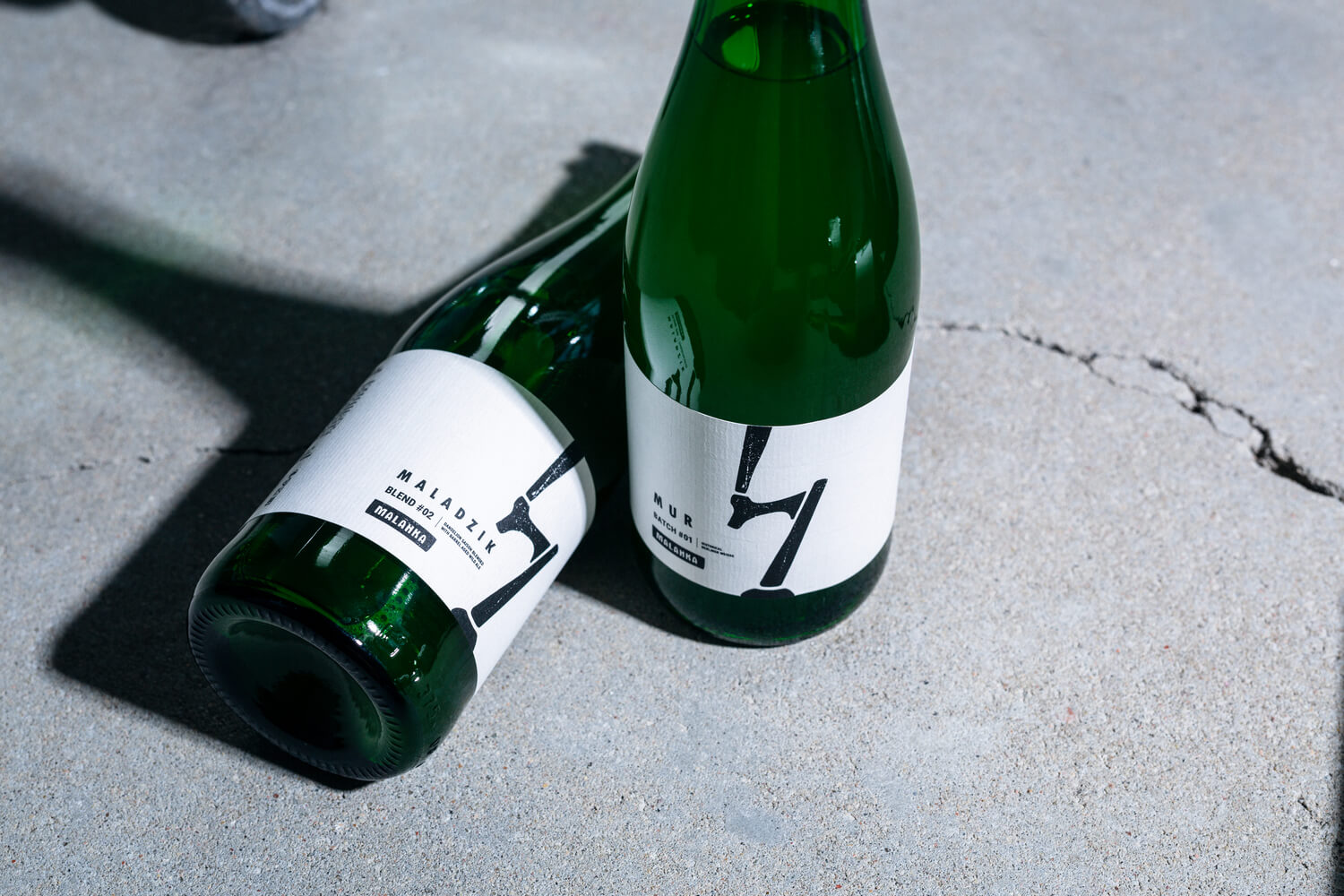
Our “wild” styles — wild ale, saison, and Berliner Weisse — are fermented in a special way. Back when we were not yet thinking about having our own brewery and were brewing beer at home, we began immersing ourselves in the world of wild ales. We sourced different strains, collected microorganisms from various beers from all over the planet, and even experimented with spontaneous fermentation. As a result of this fascinating and fairly complex work, we developed our own blend of yeast, Pediococcus, Lactobacillus, and Brettanomyces, which we now use in these Malanka beer styles.
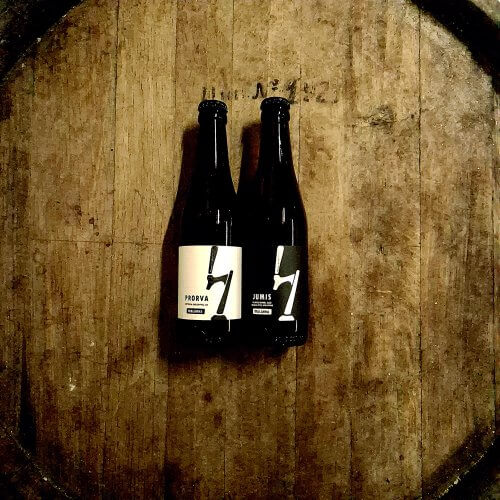
Another direction of ours is strong dark beers. Such beer needs time to balance the rich shades of roasted and smoked malt, while also absorbing the nuances of the beverages that were previously in the barrels. Our stouts and porters may age in barrels from six months to two years in order to reach their best condition.
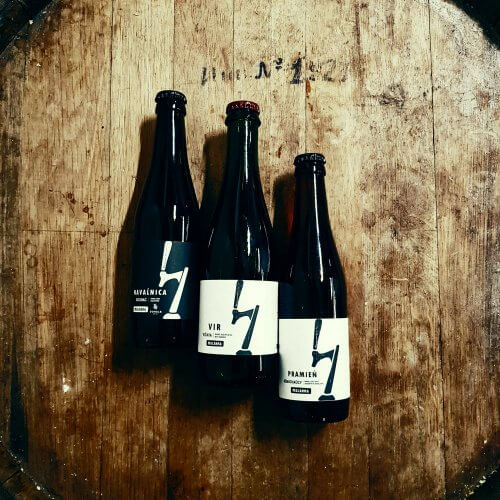
At the moment, you can order and buy:
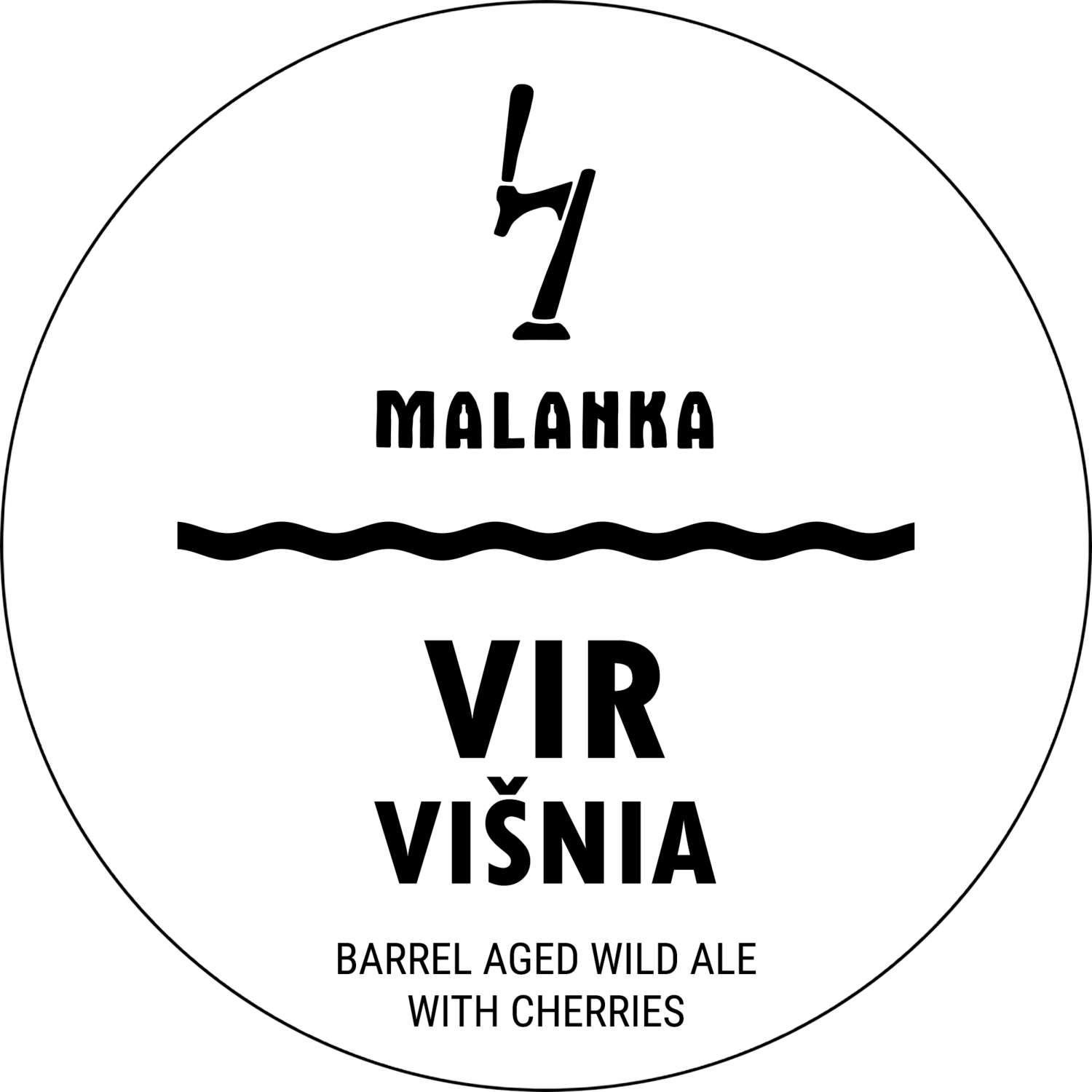
Vir: Višnia
“Vir” is a wild ale that we made using the high proportion of wheat traditional for Belgian fruit beer. We brewed it with old aged hops, fermented it slowly with the help of our house blend of wild yeast and bacteria, and then aged it for more than a year in an oak wine barrel. Right at the moment when the base beer was at its absolute best, we transferred it onto juicy, aromatic cherries for further aging.
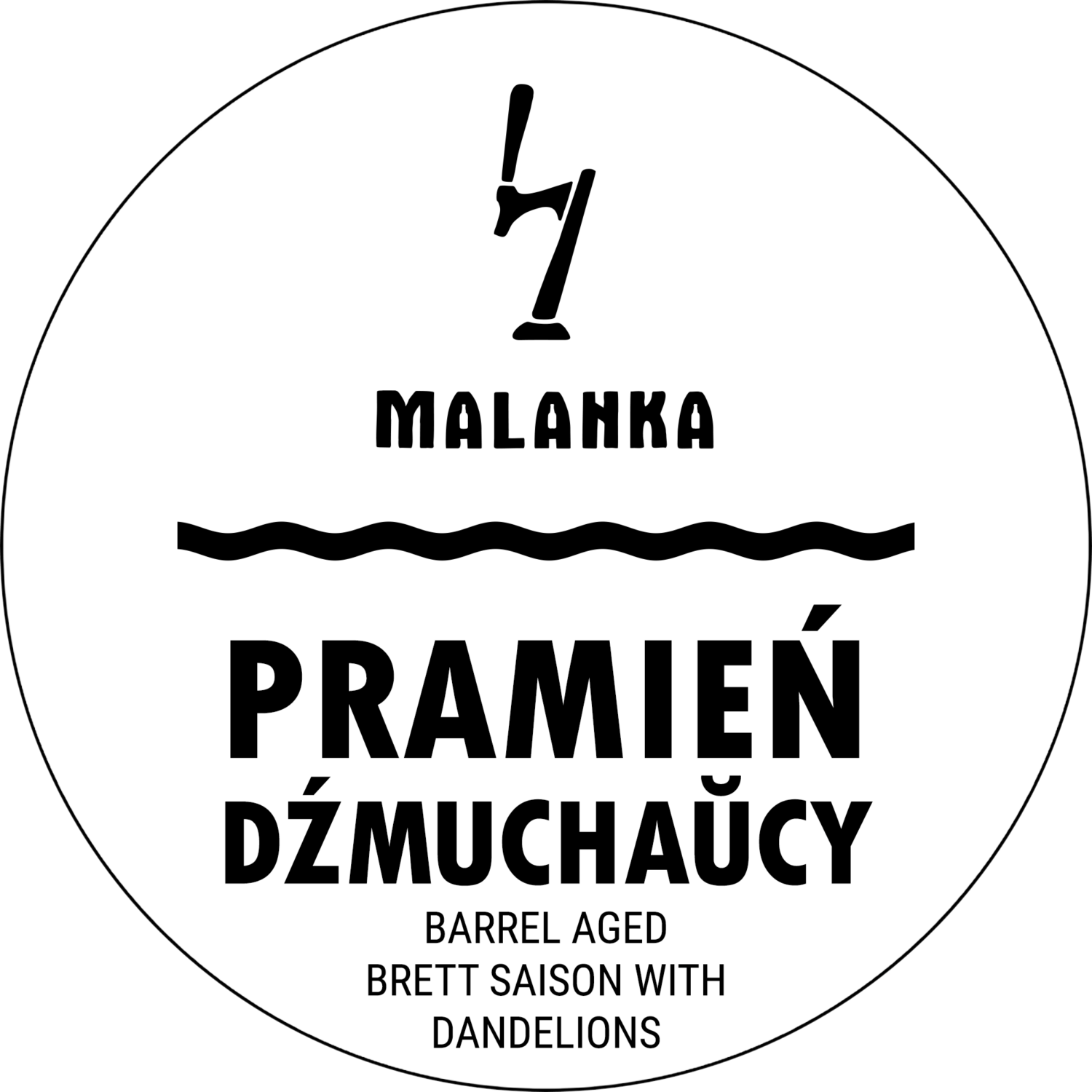
Pramień: Dźmuchaŭcy
We brewed this version of “Prameń” several years ago, at the height of spring, using freshly picked dandelions, which we went out to gather far from major roads, in abandoned fields, to find the most fragrant flowers. After a long and slow fermentation process involving wild yeast strains, we aged our “Prameń” in an oak barrel, where it spent its second summer. After bottling, we left it to rest so that it could develop those tiny bubbles through natural carbonation — its third summer, this little saison spent sealed inside the bottle.